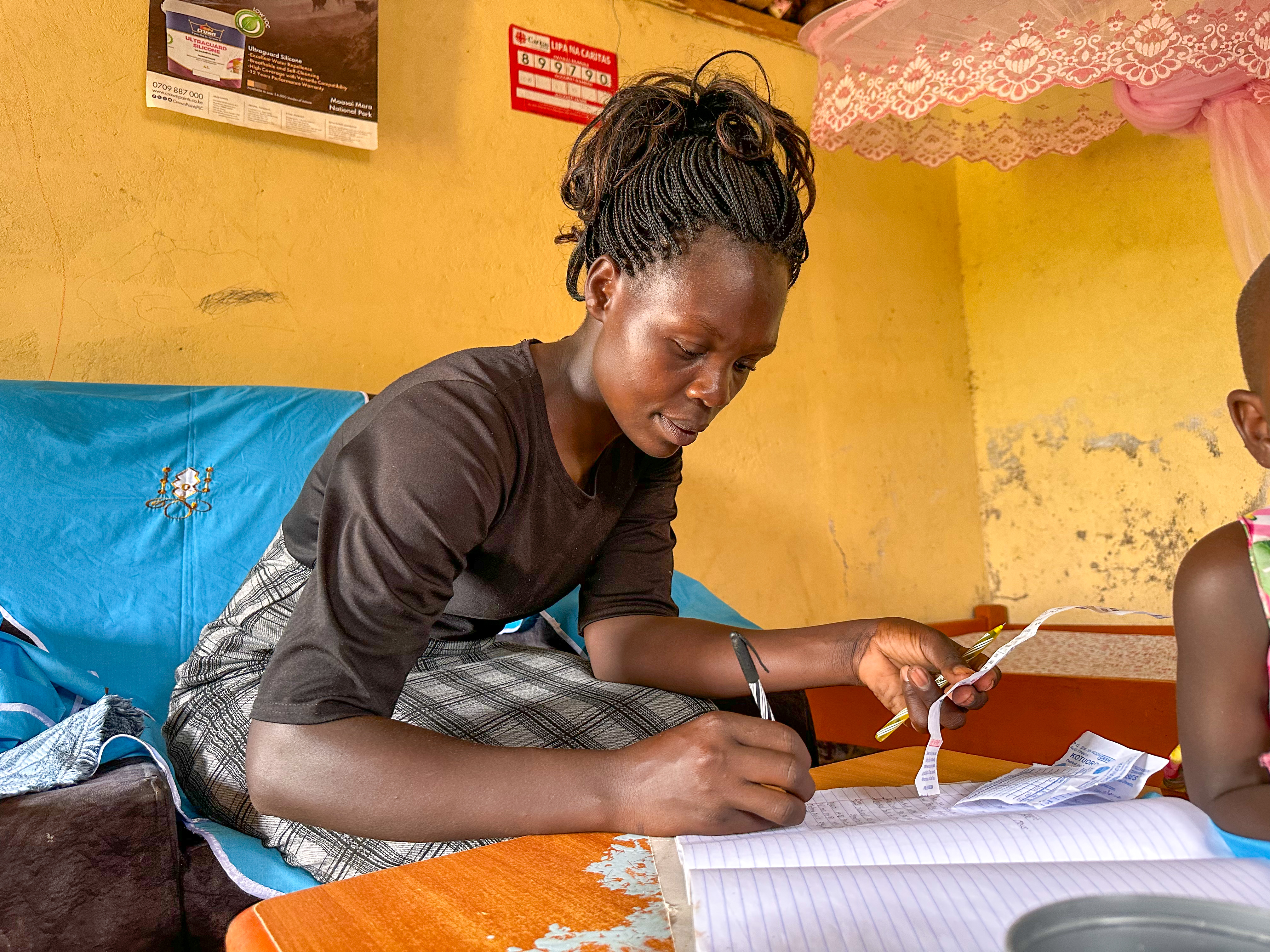
Labour Day was celebrated internationally a few days ago, and here in Kenya it was no different, most Kenyans who were unable to physically attend the celebrations were glued to their television sets, each eager to hear if there was a pay increase. What sits heavily on my heart this year again is that there was no recognition of the unpaid care burden that falls heavily on the hands of women. Unpaid care work includes domestic duties ranging from collecting firewood, fetching water, cleaning, and even child care. Although these duties are crucial for economic development and social well-being, they are overlooked and receive little or no attention in the development of crucial policies and development agendas.
Women in Kenya spend more time on unpaid care work than men. This gender inequality in the distribution of unpaid care work is fuelled and spread by gendered social norms and stereotypes that view domestic chores as a woman's responsibility. Women are expected to perform their domestic chores and reproductive expectations and still participate in paid activities to contribute to the family income. This double burden on women weighs heavily on their well-being and their quality of participation in the labour market.
The unequal time spent by women on unpaid care work results in many of them seeking only part-time roles and other vulnerable employment. This means that the full potential of these women is not realized. The situation of unpaid care work has been made worse by COVID19, which has increased the demand for care, a responsibility that has been left to women. Many women here in Kenya lost their jobs and most had to stay home to take care of the children and ailing relatives. This left them financially vulnerable and dependent on men, which may translate to them being on the receiving end of gender-based violence. Because they don't have financial freedom, most of these women are trapped in abusive relationships.
The adverse effects of climate change experienced today continue to further increase the amount of time women continue to spend on unpaid care. Women and girls have to walk long distances to fetch water. In urban slums where water shortages are a real menace, women and girls spend almost three hours in long queues just to quench their thirst.
Well, it is clear that unpaid care work remains the biggest threat to gender equality. There is a need for the government to recognize the economic contribution of unpaid care and award women living in poor conditions with a tax credit. The government also needs to invest more in social services that will see the unpaid care load lessened on women. For example, if water was readily available in every household in Kenya, then women wouldn't have to walk long distances to look for water and this time could be better used for rest and even invested in other spheres of life like leadership and governance.
It is imperative for all stakeholders to collaborate and challenge gendered social norms and stereotypes. This will see more women and girls participating in the labour market fully and contribute positively to their overall well-being.
Dear reader, Just for a second, imagine the world if women decided to boycott unpaid care and domestic chores. Are you ready for that?
— Wangare Gachau

 Education